How to Compost in Winter: Keep Scraps Breaking Down
How to compost in winter: keep a cold pile working, insulate the bin, store kitchen scraps by the door, and restart the pile in spring.
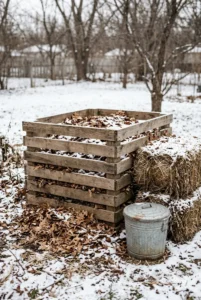
How to compost in winter: keep a cold pile working, insulate the bin, store kitchen scraps by the door, and restart the pile in spring.
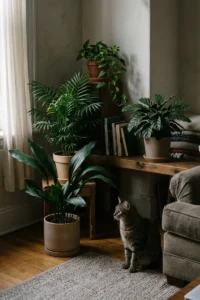
Low light plants safe for cats and dogs, checked against the ASPCA list: which ones handle dim rooms, which need more light, and toxic plants to skip.
Cut back soft or diseased perennial foliage after frost, and leave grasses, seedheads, and hollow stems standing for winter structure and wildlife.
Choose 0.5 oz row cover for insects and light frost, 1.0 oz for cooler nights, and 1.5 oz or heavier when frost protection matters more than light.
Use potting mix in containers, garden soil in the ground, and a mineral soil and compost blend in raised beds, not potting mix alone.
Use a soil thermometer at the depth where seeds will sit or transplant roots will grow, then take a reading at the same time on three mornings in a row.
For highbush blueberries, aim for a soil pH of about 4.5 to 5.2, with some extension guidance giving a broader range of 4.5 to 5.5.
Plant garlic as fall soil cools, 2 to 3 inches deep and 4 to 5 inches apart. Timing by USDA zone, hardneck vs softneck, mulch, and spring care.
Lavender in Heavy Soil: Fix Drainage Before Feeding starts with finding out why water lingers, then fixing the root zone before adding fertilizer. Once water moves freely through the soil, it’s much easier to judge.
Peony Planting Depth: The Small Error That Costs Blooms comes down to one clear reference point: measure from the finished soil surface, not the bottom of the hole. The right position depends on whether you are.