How to Compost in Winter: Keep Scraps Breaking Down
How to compost in winter: keep a cold pile working, insulate the bin, store kitchen scraps by the door, and restart the pile in spring.
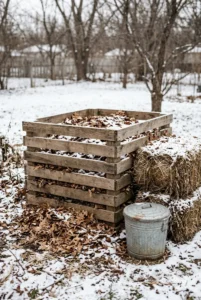
How to compost in winter: keep a cold pile working, insulate the bin, store kitchen scraps by the door, and restart the pile in spring.
Choose 0.5 oz row cover for insects and light frost, 1.0 oz for cooler nights, and 1.5 oz or heavier when frost protection matters more than light.
Use potting mix in containers, garden soil in the ground, and a mineral soil and compost blend in raised beds, not potting mix alone.
Use a soil thermometer at the depth where seeds will sit or transplant roots will grow, then take a reading at the same time on three mornings in a row.
For highbush blueberries, aim for a soil pH of about 4.5 to 5.2, with some extension guidance giving a broader range of 4.5 to 5.5.
Compost vs Fertilizer: What Garden Soil Needs First comes down to the problem you need to solve: compost improves organic matter and soil structure, while fertilizer supplies plant nutrients. I’d check the bed and.
Hydrangea Pruning: Find the Blooming Wood Before Cutting comes down to one decision: does your shrub flower on old wood, new wood, or both? Identify the plant first, then time each cut to protect its next display of.
Vegetable Garden Watering: Turn One Inch Into a Schedule works best when you count rainfall, check moisture around the roots, and calibrate your irrigation instead of setting a blind timer. I’ve found that a simple.
Bypass vs Anvil Pruners: Which Cut Keeps Stems Cleaner? For live stems, bypass pruners usually leave a cleaner cut because one sharpened blade passes a hook instead of pressing the stem against a flat surface. Anvil.

Nurture your garden naturally by transforming kitchen scraps into rich organic fertilizer, discover the simple steps to boost your plants’ health today.