How to Compost in Winter: Keep Scraps Breaking Down
How to compost in winter: keep a cold pile working, insulate the bin, store kitchen scraps by the door, and restart the pile in spring.
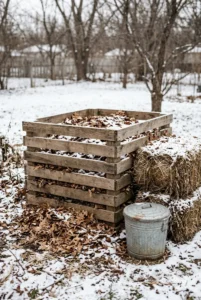
How to compost in winter: keep a cold pile working, insulate the bin, store kitchen scraps by the door, and restart the pile in spring.
Cut back soft or diseased perennial foliage after frost, and leave grasses, seedheads, and hollow stems standing for winter structure and wildlife.
Choose 0.5 oz row cover for insects and light frost, 1.0 oz for cooler nights, and 1.5 oz or heavier when frost protection matters more than light.
Use a soil thermometer at the depth where seeds will sit or transplant roots will grow, then take a reading at the same time on three mornings in a row.
Plant garlic as fall soil cools, 2 to 3 inches deep and 4 to 5 inches apart. Timing by USDA zone, hardneck vs softneck, mulch, and spring care.
To use Spring Vegetable Planting Dates: Read Frost Windows Correctly, combine your local frost estimate with crop tolerance, soil temperature, and the near-term forecast. An average date is a guide to risk, not a.
Build a Fall Planting Calendar: Why Crop Timing Changes by Region around your local first fall frost, each crop’s days to maturity, and the conditions in your garden bed. For a 2027 fall garden, use regional dates as.
For a 2027 garden, use your USDA hardiness zone to judge whether perennials can survive winter, and use local frost dates, soil warmth, and the short-term forecast to time planting. The USDA Hardiness Zone vs Frost.

Want to unlock vibrant hydrangea blooms? Discover seasonal care secrets that transform your garden, learn when and how to prune for stunning results.

Planning a low maintenance flower garden? Discover simple design ideas that promise beauty without constant care, your perfect garden awaits!