Use potting mix, usually a soilless blend of peat or coconut coir, bark, and perlite or a similar aerating material, in pots and window boxes. Use garden soil in the ground, adding compost when needed. For raised beds, blend mineral soil or topsoil with compost and a drainage component, rather than filling a large bed with potting mix alone.
Key Takeaways
- Choose potting mix for containers. Its light, aerated structure helps roots get air and lets excess water drain through drainage holes.
- Use garden soil in the ground. Improve it with compost when the soil needs more organic matter or better structure.
- Build raised bed soil from suitable ingredients. A common approach combines mineral soil or topsoil with compost and a drainage component.
- Raised bed mixes vary. Check the stated use, ingredient list, texture, drainage behavior, and nutrient information.
- Keep seed starting mix for sowing seeds. It is finer than general potting mix and usually has less fertilizer, which suits young seedlings.
- Plan to replenish nutrients. A new bag of mix does not feed plants indefinitely. Add compost or fertilizer based on the crop and the condition of the growing medium.
Free Printable Worksheet (PDF)
Print or save the one-page companion to this guide: Potting Mix, Garden Soil, and Raised Bed Mix Decision Sheet. It collects the key tables and the checklist from this article.
Related guides
Choose the Growing Medium for the Space
Potting mix, garden soil, and raised bed mix can all grow plants, but they are built for different root environments. A container has limited volume and needs a light mix that drains freely; an in-ground bed has native soil around the roots; and a raised bed needs a blend that holds moisture and nutrients without becoming dense.
Names on bags can be confusing. Potting mix and potting soil are often used for container blends, even when the product contains no mineral soil, while products labeled raised bed soil can have very different ingredients. Read the intended-use directions and ingredient list instead of choosing by the front label alone.
In general, a potting mix may cost more per cubic foot than using suitable native soil or bulk topsoil with compost. Compare the total volume you need, especially for a large bed, rather than comparing bag prices alone.
What Each Mix Does Best
The table gives a practical comparison. Ingredient blends vary by product, so use the label to judge whether the texture and intended use fit your planting space.
| Growing medium | Best use | Typical texture and ingredients | Drainage, weight, and fertility | What can go wrong in the wrong place |
|---|---|---|---|---|
| Potting mix | Pots, window boxes, and other containers with drainage holes | Usually a soilless blend of peat or coir, bark, and perlite or similar materials | Light and aerated, with ingredients that balance moisture retention and drainage. Fertility varies from lightly fed to nutrient rich. | In a large raised bed, it can be an expensive way to fill volume and may settle as organic ingredients break down. |
| Garden soil | In-ground garden beds, where it connects with the surrounding soil | Mineral particles mixed with organic matter; texture depends on the site | Usually heavier than potting mix. Drainage and fertility depend on the soil structure and its history. | In a small pot, it can compact, reduce air around roots, and drain poorly. |
| Raised bed mix | Raised beds, especially beds without access to suitable native soil | Often a blend of topsoil or mineral soil and compost; some blends include a drainage component | Weight and fertility vary with the ingredients. A well-made blend should hold moisture while allowing excess water to drain. | A product that is too light, too dense, or mostly compost may not provide the structure and nutrient balance the bed needs. |
| Seed starting mix | Sowing seeds in trays and small starter pots | Fine, evenly textured materials such as peat or coir with perlite or another aerating ingredient | Usually holds moisture evenly and has less fertilizer than general potting mix. | Its fine texture and modest fertility are not a good long-term fit for larger, established plants. |
Raised bed guidance varies with the materials and local soil. Penn State Extension recommends a soil and compost mix at a ratio of 70% soil to 30% compost. University of Vermont Extension describes no more than a 1 to 2 inch layer of compost mixed into a 6 inch layer of soil. Raised bed materials and local conditions vary, so these are not a single recipe for every bed.
Use Potting Mix in Containers
Container roots depend on the mix and the pot’s drainage holes to manage water and air. Potting mix is lighter than ordinary garden soil, and its airy structure makes it easier for water to move through a limited root zone. Without drainage holes, even a suitable mix can stay too wet.
Potting mix also makes container gardening easier to manage by volume. A lightweight blend is simpler to carry and refill than dense garden soil, although a large container still becomes heavy when watered. Check the ingredients and nutrient information because some blends are formulated to feed plants while others need regular feeding.
Two container blends with different ingredient lists are FoxFarm Ocean Forest Potting Soil, which includes aged forest materials, sphagnum peat moss, earthworm castings, bat guano, and fish emulsion, and Espoma Organic Potting Soil Mix, which includes sphagnum peat moss, humus, perlite, earthworm castings, organic meals, and Myco-Tone.
Ordinary garden soil is a poor shortcut for a small container. It can compress around roots, restrict airflow, and hold water unevenly, while loose potting mix is made to work in the confined space. Do not confuse a container blend with a cost-effective filler for a large raised bed.
Use Garden Soil in In-Ground Beds
Garden soil belongs in an in-ground garden bed because it is part of the surrounding mineral soil and soil structure. Improve it with mature compost when it needs more organic matter, but avoid replacing the bed with compost alone. Compost adds organic matter and supports soil structure, while fertilizer supplies plant nutrients. Our guide to choosing between compost and fertilizer explains how to match an amendment to the need.
Soil from the yard can carry weed seeds and soil-borne pests or pathogens, depending on its history. Bagged mixes use prepared ingredients and can reduce the chance of bringing in those problems, but a bagged mix is not automatically sterile. For an unfamiliar in-ground area, observe how water moves and consider the site’s prior use before planting.
In an open-bottom raised bed, suitable native soil can form part of the root zone if it drains well and is free of contamination. A fully enclosed bed has no direct connection to the ground, so its entire growing volume needs a workable blend.
Build Raised Bed Soil Without Guesswork
Should you use potting mix or garden soil for a raised bed? For most beds, use a soil-based blend rather than either material alone: combine mineral soil or topsoil with compost, then include a drainage component suited to the ingredients. A raised bed can be filled with ready-made raised bed mix, or you can combine separate ingredients yourself.
Not every bag labeled raised bed soil has the same proportion of topsoil, compost, or other materials. Look for a mix with enough mineral material to provide structure, compost for organic matter, and a texture that does not feel muddy or overly fluffy. A bed that is open at the bottom may incorporate suitable native soil over time; a closed-bottom bed must rely on the mix you add.
Rutgers Cooperative Extension recommends a minimum 12 inch depth of imported topsoil for proper root-zone volume and drainage. Bed depth and crop needs matter, so measure the actual space before ordering or blending materials.
For a step-by-step guide to the frame and setup, see how to build raised garden beds.
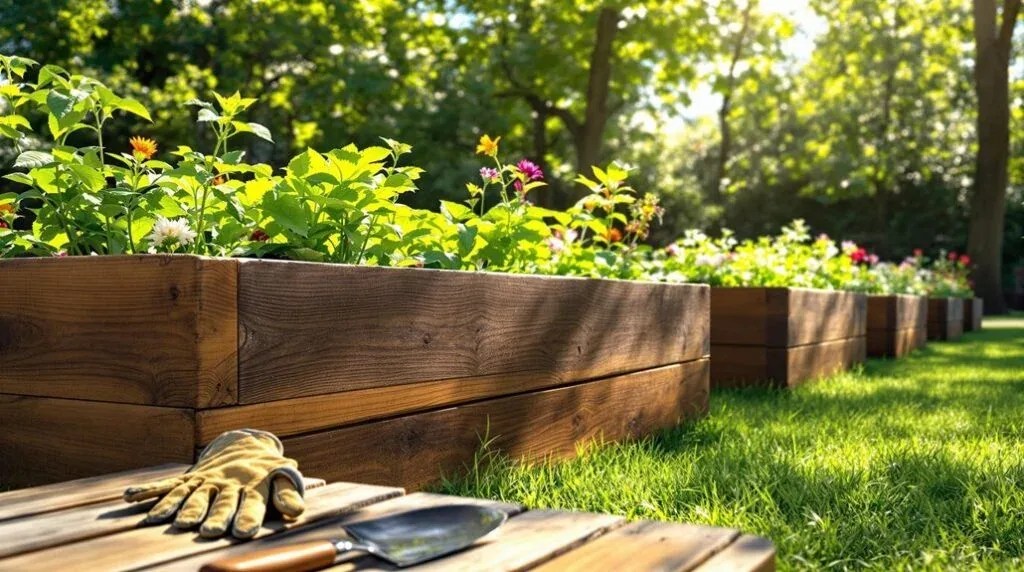
To estimate how much growing medium a bed needs, measure its inside length, width, and fill depth, then calculate the volume. Use our raised bed soil and amendment calculator to work out quantities instead of relying on one universal mix formula.
Choose Seed Starting Mix for Germination
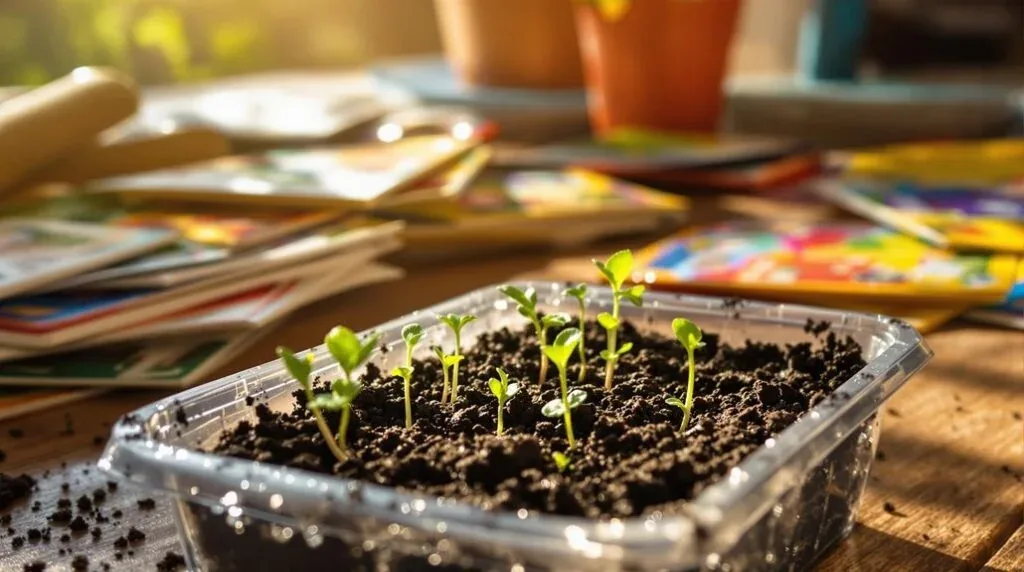
Seed starting mix is finer than general potting mix, which helps small seeds stay evenly surrounded by the growing medium. It usually contains less fertilizer because seeds begin with stored nutrients, and young roots do not need the same feeding as established plants.
Espoma Organic Seed Starter is made with sphagnum peat moss, peat humus, perlite, and mycorrhizae. Use a fine seed starting blend for sowing, then move seedlings into potting mix as they grow and need more room and nutrients.
Check Texture, Drainage, and Fertility Before Planting
Before filling a whole bed or pot, inspect an unfamiliar mix by hand. It should feel consistent, without large clumps or an excessive amount of fine dust, and a handful should loosen when you open your fingers rather than stay in a dense, sticky lump.
Test drainage in a small pot with holes: water the mix slowly and watch whether it absorbs moisture and lets excess water escape. For native soil, a slow drainage result can signal a site problem; University of Maryland Extension states that less than 1 inch per hour is too slow and may indicate soil compaction, a high clay content, buried debris, a high water table, or a restrictive soil layer.
Read the nutrient information as carefully as the texture. Some potting mixes include fertilizer or nutrient-rich ingredients; others are mostly structural and need feeding. Compost supports soil structure and adds organic matter, but it does not replace a planned nutrient program for every crop.
Typical Situations and What to Choose
| Situation | What to choose | Why it fits | Useful check |
|---|---|---|---|
| Small indoor pot or window box | Potting mix | A light, aerated blend suits the restricted root space. | Make sure the container has drainage holes and check how often it needs water. |
| Vegetable bed planted directly in the ground | Native garden soil, improved with compost as needed | Roots can grow into the surrounding soil rather than depending on a bagged container blend. | Assess soil structure, drainage, and the bed’s nutrient history. |
| Raised bed with an open bottom | Topsoil or suitable mineral soil blended with compost | The bed can connect with suitable native soil below it. | Rutgers Cooperative Extension recommends a minimum 12 inch depth of imported topsoil for proper root-zone volume and drainage. |
| Raised bed with a closed bottom | Ready-made raised bed mix or a measured soil and compost blend | The full root zone depends on the material added to the bed. | Use the bed dimensions to estimate volume and select a mix with a stable texture. |
| Seed tray or small starter pot | Seed starting mix | Its fine texture supports small seeds and young roots. | Keep it evenly moist, then transplant as seedlings grow. |
The raised bed recommendations in the table are not a single formula for every site. Use the calculator to estimate the volume and ingredients for your bed, and adjust for bed depth, the condition of native soil, local drainage, and how often you can water.
Field Checklist for Choosing a Mix
- Identify the growing space. Use potting mix for containers, garden soil for in-ground beds, and a soil-based blend for raised beds.
- Check the bag’s intended use and ingredients. Do not rely on the words potting soil or raised bed soil alone.
- Look for the right texture. Container media should be light and aerated; a raised bed needs enough mineral structure to avoid settling into a dense mass.
- Check drainage. Confirm that pots have holes, and assess drainage in native soil before using it in an open-bottom bed.
- Consider bed construction. An open-bottom bed may use suitable native soil; a closed-bottom bed needs a complete growing medium.
- Review fertility. Note whether fertilizer is already included and plan how to replenish nutrients as plants grow.
- Estimate the volume. Measure the bed or container and compare cost per cubic foot before choosing bagged mix or separate ingredients.
- Keep compost mature. Do not fill a bed with compost alone; combine it with mineral soil or another suitable growing medium.
For more practical gardening articles, visit The Garden Den.
Summary
Use potting mix in pots and window boxes, garden soil in the ground, and a balanced soil and compost blend in raised beds. Choose seed starting mix for sowing, check the ingredients and drainage before planting, and plan to replenish nutrients rather than expecting any mix to feed plants forever.
Frequently Asked Questions
Is potting soil the same as potting mix?
For container gardening, either name may describe a product intended for pots; use the label’s stated purpose to choose.
Can raised bed mix be used in outdoor containers?
Yes, if the mix suits the container’s size and the pot has drainage holes.
What should I avoid putting in a raised bed?
Keep the bed fill as a balanced growing medium rather than relying on a single material.
How do I calculate how much mix a raised bed needs?
Multiply the bed’s inside length by its width and fill depth, keeping the units consistent.
How should I replenish nutrients in pots and raised beds?
Match feeding to the crop and to the nutrients already present in the growing medium.
Download the Companion Printable Sheet (PDF)
Print or save the one-page companion to this guide: Potting Mix, Garden Soil, and Raised Bed Mix Decision Sheet. It collects the key tables and the checklist from this article.
Published by The Garden Den, a publication of Viking Trading Group LLC.