If you want lush, fast-growing philodendrons in 2026, the biggest wins come from getting light, water, and soil right, and watering roughly every 7–10 days during the growing season is one of the simplest ways to boost growth while avoiding root rot. In this guide, we walk you through exactly how we care for philodendron plants so they do more than survive on the shelf and actually thrive as statement plants in your home.
Key Takeaways
Question | Short Answer |
|---|---|
How much light do philodendrons need for maximum growth? | Aim for 6–8 hours of bright, indirect light each day to support strong foliage and steady growth. For deeper detail on light, see our philodendron care guide. |
How often should I water philodendrons? | Check moisture with your finger and water when the top 50% of the soil is dry, which usually falls around every 7–10 days in active growth. |
What soil mix is best for fast philodendron growth? | Use a loose, well draining mix with perlite or bark so roots get both air and moisture, similar to the mixes we recommend for peace lilies in our peace lily guide. |
Do philodendrons like humidity? | Yes, they grow best with 40–60% humidity, a level that also suits tropical houseplants like bromeliads covered in our bromeliad care guide. |
How often should I fertilize for maximum growth? | Feed monthly in spring and summer, then every 6–8 weeks in fall and winter while growth slows. |
When should I repot my philodendron? | Plan to repot every 1–2 years to refresh soil and give the roots more space, just as we advise for other container plants in our caladium growing guide. |
1. Know Your Philodendron Type Before You Start
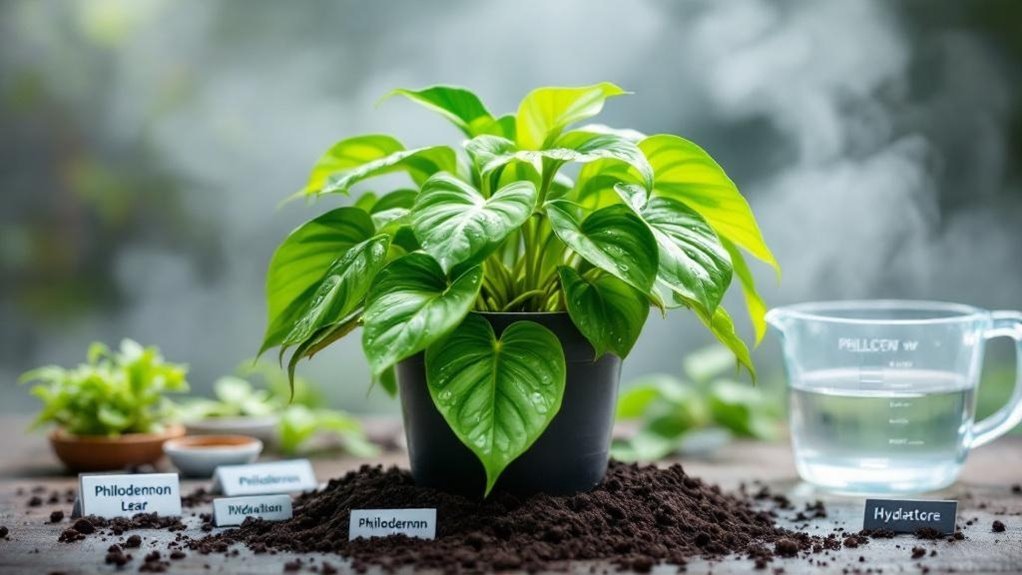
Philodendron care starts with understanding whether you have a vining type or a self heading, bushy type. Each grows differently and will use light, space, and support in its own way.
Vining philodendrons like heartleaf types crawl or climb and respond well to poles or shelves. Upright varieties, such as those with deeply cut leaves, build a more tree like shape and need room to spread out.
Common Growth Habits To Recognize
Vining philodendrons grow long trailing stems that can reach several feet.
Self heading philodendrons push new leaves from a central stem and stay more compact.
Some varieties stay small and tidy, while others quickly become floor plants.
Knowing your plant type helps you decide on pot size, support, and pruning strategy for maximum growth. You can explore how different varieties behave in our dedicated philodendron care guide with all varieties covered.
2. Provide Ideal Light: Bright, Indirect, And Consistent
In 2026, indoor growers are paying closer attention to light quality, not just quantity, and philodendrons reward that effort with bigger, healthier leaves. Aim for 6–8 hours of bright, indirect light each day to drive growth without scorching foliage.
Place your plant near an east or north window, or a few feet back from a south or west window with sheer curtains. Avoid strong midday sun directly on the leaves because it can cause pale patches or crispy edges.
Light Guidelines For Maximum Growth
Too little light: Leggy stems, small leaves, slow growth.
Too much direct sun: Yellow or bleached spots, dry edges.
Ideal light: Even, rich green leaves with steady new growth.
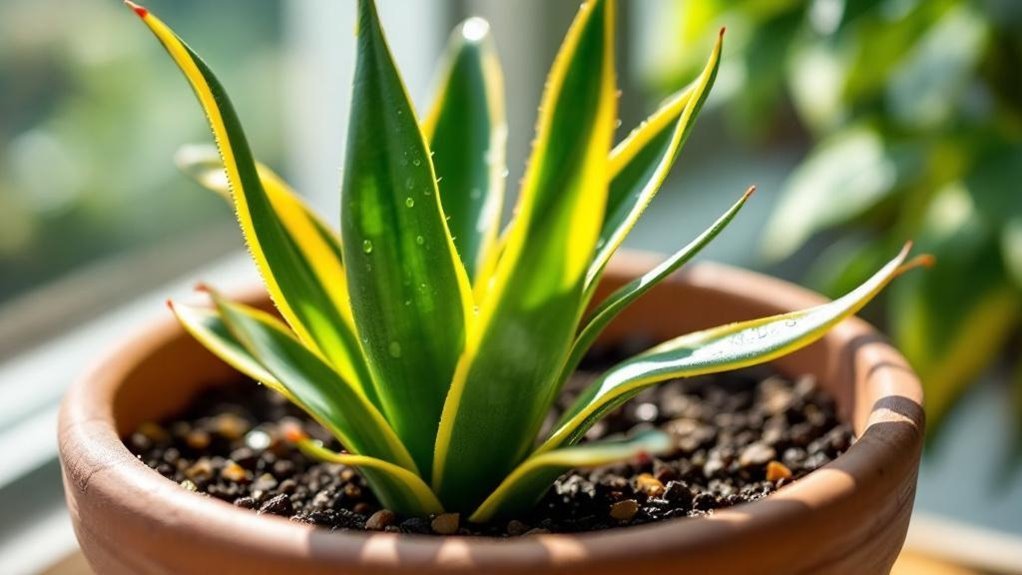
If you grow other shade tolerant plants, think of philodendron light needs as slightly brighter than caladiums but softer than full sun lovers, similar to what we describe for indoor foliage in our snake plant foolproof care guide.
3. Water Properly: Routine Without Overwatering
Philodendrons grow fast when roots have steady moisture but plenty of air. The key is to water when the top 50% of the soil feels dry to the touch so the root zone never sits soggy for long.
In active growth, that usually means watering roughly every 7–10 days, but your home’s light, pot size, and humidity can shift that timing. Always use your fingers as the final check instead of watering on a strict calendar.
Simple Watering Routine
Insert your finger halfway into the potting mix.
If the top half feels dry, water slowly until it drains from the bottom.
Empty any saucer so roots do not sit in standing water.
Philodendrons appreciate slightly more moisture than desert plants like snake plants, yet their roots still hate being waterlogged, a balance that mirrors what we describe for peace lilies in our complete peace lily growing guide.
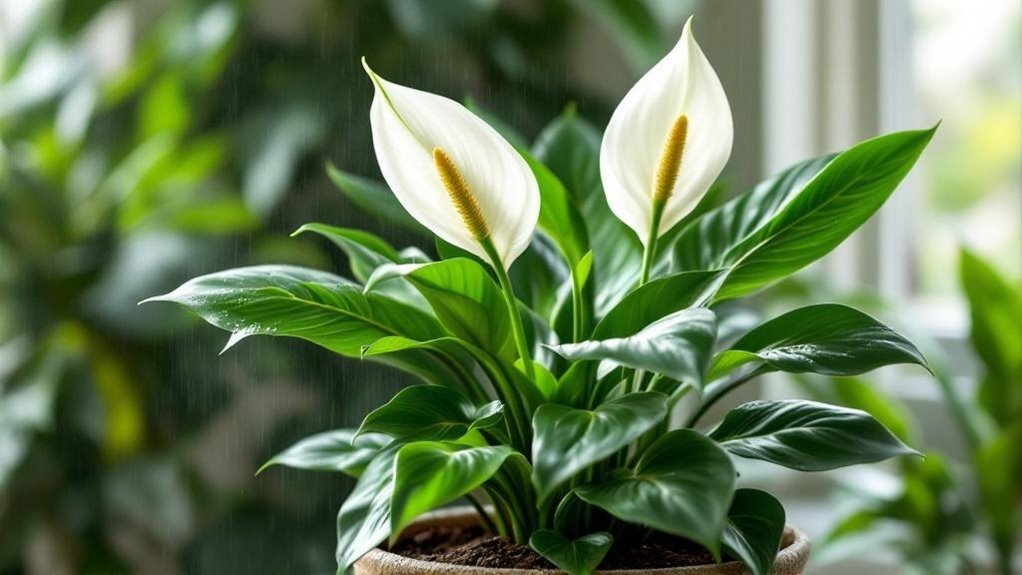
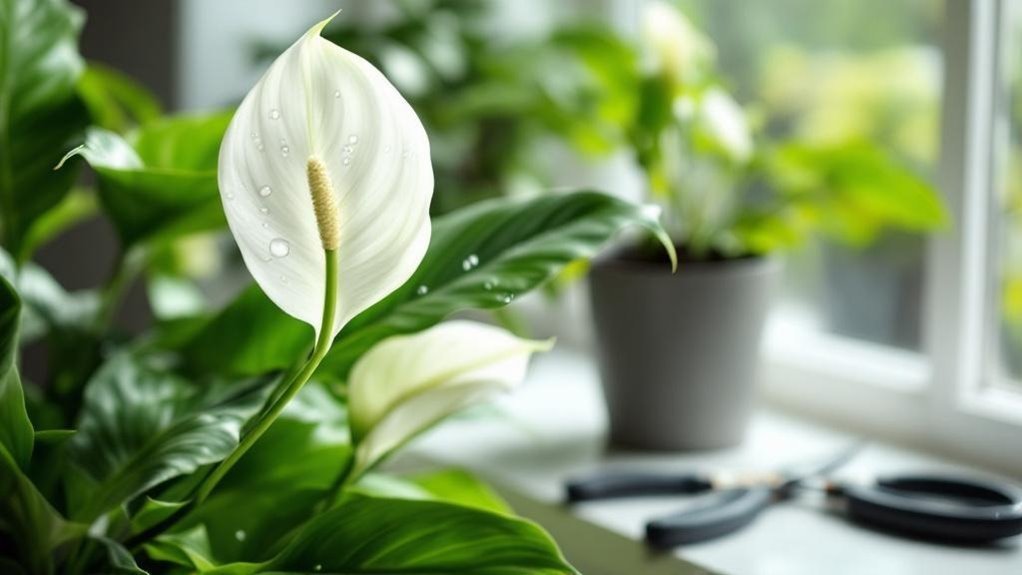
A simple 5-step guide to maximize philodendron growth. Learn how to optimize watering, light, soil, humidity, and nutrition.
Did You Know?
Water the plant when the top 50% of the soil feels dry to the touch to dramatically cut the risk of root rot while keeping growth strong.
4. Choose The Right Soil Mix For Fast, Healthy Roots
Philodendrons grow best in a loose, chunky, well draining mix that holds some moisture but never compacts around the roots. In 2026, many indoor gardeners lean on blends that look similar to orchid and aroid mixes, with bark and perlite mixed into standard potting soil.
A good starting point is equal parts high quality potting mix, perlite, and fine bark or coco chips. This combination keeps oxygen flowing around the roots and matches what we recommend for other tropicals like bromeliads and orchids.
Soil Checklist For Maximum Growth
Drains within a few seconds when you water.
Feels springy and airy, not heavy or sticky.
Does not pull away from the pot sides when dry.
The same logic we use for bromeliad potting mixes, where we avoid dense, soggy soil, applies to philodendrons as well, and you can see that approach in our indoor bromeliad growing guide.
5. Balance Temperature And Humidity For Tropical Growth
Philodendrons are tropical plants, so they grow best in the same warm, humid range that feels comfortable to most people indoors. Aim to keep temperatures between 65–80°F (18–27°C) and humidity between 40% and 60% for steady, lush growth.
Short dips below 60°F usually slow growth but will not kill the plant, while cold drafts can stunt or damage new leaves. Dry indoor air, especially in heated rooms, can cause brown tips or edges on sensitive varieties.
Easy Ways To Raise Humidity
Group your philodendrons with other houseplants.
Place the pot on a pebble tray with water below the pot base.
Run a small humidifier nearby during the driest months.
We use similar humidity strategies across many tropical guides on The Garden Den, such as for orchids, because maintaining that 40–60% range keeps foliage plants looking full and glossy.
6. Fertilize Smartly To Maximize Growth Without Burn
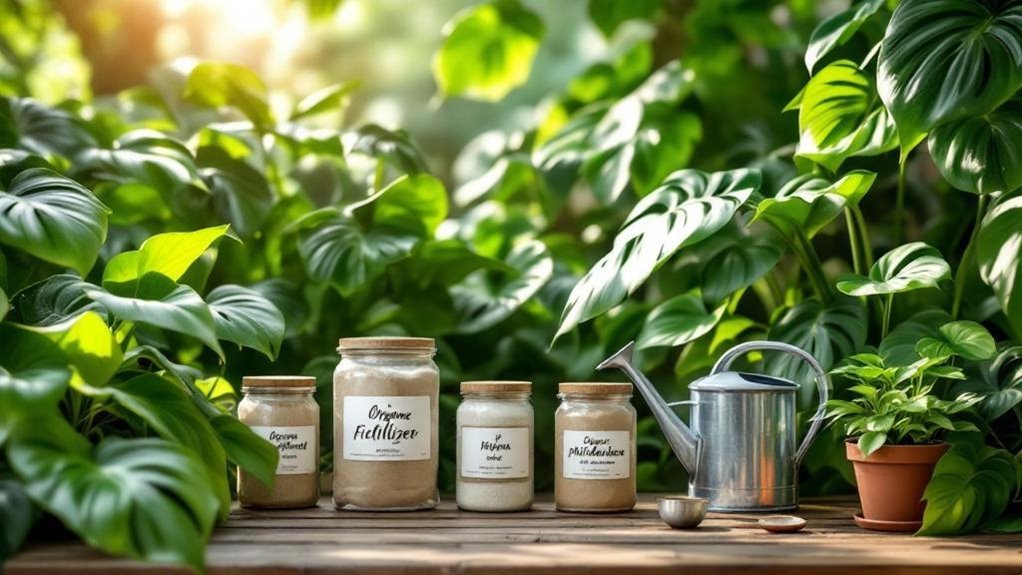
Regular feeding is one of the most underrated ways to speed up philodendron growth in 2026. Fertilize your philodendron monthly in spring and summer, then reduce to every 6–8 weeks in fall and winter when growth slows.
Use a balanced, water soluble fertilizer at half the labeled strength to start, and watch how your plant responds. Too much fertilizer can salt the soil and damage roots, while too little limits new leaves and overall size.
Simple Feeding Schedule
Spring and summer: Feed once every 4 weeks.
Fall and winter: Feed once every 6–8 weeks.
Flush the pot with plain water every few months to wash away excess salts.
We take a similar approach with other foliage plants like peace lilies and caladiums, timing most fertilizer during the active growing season so nutrients match the plant’s real needs.
Did You Know?
Fertilizing your philodendron monthly in spring and summer, then every 6–8 weeks in fall and winter, lines up perfectly with the plant’s natural growth rhythm and supports maximum foliage production.
7. Repot Regularly And Size Pots Correctly
Repotting on time is one of the easiest ways to keep philodendrons growing quickly rather than stalling out in compacted soil. Plan to repot every 1–2 years or whenever you see roots circling the pot or pushing through drainage holes.
Choose a new container 1–2 inches wider for smaller plants or 2–3 inches wider for large specimens. Oversized pots hold too much water around new roots, so we prefer slow, steady size increases.
Repotting Steps
Water lightly the day before to soften the root ball.
Gently loosen roots and trim any that are dead or mushy.
Set in fresh, airy mix at the same depth and water thoroughly.
This steady approach to potting is similar to what we use for long lived flowering plants in our flower growing guides, where root health determines both growth and bloom potential over time.
8. Train, Prune, And Support For Bigger Leaves
How you shape and support your philodendron can directly affect leaf size and fullness. For vining types, providing a moss pole or trellis encourages upward growth and often results in larger, more mature leaves.
Prune long, bare stems back to just above a healthy leaf node to encourage branching. You can root these cuttings in water or moist soil to grow new plants or fill out your existing pot.
Training Tips
Tie stems loosely to supports with soft plant ties.
Rotate the pot every few weeks for even growth on all sides.
Remove yellow or damaged leaves to refocus energy on strong growth.
We use many of these same training techniques on trailing and climbing plants in our other foliage guides, since thoughtful pruning keeps plants pleasing to look at and encourages more vigorous new growth.
9. Prevent And Treat Common Philodendron Problems
Even with good care, philodendrons sometimes show stress through yellowing leaves, brown tips, or slowed growth. The good news is that most of these issues trace back to a few fixable causes like watering problems, low light, or pests.
Check the soil first whenever you see yellow leaves, since soggy conditions are the most common culprit. Brown, crispy tips often point toward low humidity or a previous underwatering spell rather than disease.
Quick Problem Solver Table
Symptom | Likely Cause | What We Suggest |
|---|---|---|
Yellow lower leaves | Overwatering or natural aging | Check soil moisture, adjust watering, remove oldest yellow leaves. |
Brown tips | Low humidity or inconsistent watering | Increase humidity, keep watering more consistent. |
Leggy growth | Not enough light | Move to brighter, indirect light and consider pruning. |
Sticky residue or webbing | Pests like spider mites or scale | Rinse leaves, use insecticidal soap, and repeat weekly until clear. |
Our approach to pests and problems in philodendrons mirrors what we share in other plant care guides on The Garden Den, where early observation and simple corrections usually solve the issue before it spreads.
10. Propagate And Multiply Your Best Growing Philodendrons
Once you have a philodendron growing strongly, propagation lets you turn one thriving plant into many. Stem cuttings are simple, reliable, and keep your original plant fuller when you root pruned pieces back into the main pot.
Cut just below a node that has at least one healthy leaf, then root the cutting in water or directly in moist, airy soil. Keep new cuttings warm and in bright, indirect light so roots develop quickly.
Propagation Tips For Success
Use clean, sharp scissors or pruners to avoid crushing stems.
Change water every few days if rooting in a glass or jar.
Transplant to soil once roots reach a couple of inches long.
We see propagation as the natural extension of good plant care in 2026, just as we encourage home gardeners to multiply favorite flowering plants in our flower growing resources.
Conclusion
Caring for philodendron plants for maximum growth in 2026 comes down to a handful of consistent habits. Give them bright, indirect light, water when the top half of the soil is dry, use airy soil, keep temperatures and humidity in a comfortable tropical range, and feed on a regular schedule.
When you combine these basics with thoughtful repotting, pruning, and problem solving, your philodendrons will reward you with bigger leaves, faster growth, and a lush indoor jungle. As always at The Garden Den, we are here to grow alongside you, one thriving plant at a time.